
Introduction
Barcodes have become a natural part of everyday life. Whether scanning groceries at a supermarket, tracking parcels during delivery, or managing stock in a warehouse, barcodes work silently in the background to keep systems running smoothly. Despite their widespread use, many people rarely stop to consider how barcodes work or why they are so essential. This blog takes a closer look at barcodes, explaining their purpose, types, working mechanisms, and the value they bring to businesses across industries.
What Is a Barcode?
A barcode is a visual way of representing data using a pattern of bars, spaces, or shapes that can be read by machines. Each barcode contains encoded information, such as a product number or identification code, which links the physical item to digital records stored in a database. When scanned, the barcode quickly retrieves this information, eliminating the need for manual data entry and reducing errors. Barcodes generally fall into two main categories: one-dimensional (1D) and two-dimensional (2D), each designed to serve different business needs.
Understanding 1D and 2D Barcodes
One-dimensional barcodes are made up of vertical lines and spaces arranged in a specific pattern. They typically store numeric or limited alphanumeric data and are scanned horizontally. The most familiar example is the Universal Product Code (UPC), widely used in retail for fast and accurate checkout. Similar formats like EAN are common in international markets, while Code 39 and Code 128 are popular in logistics and inventory management due to their flexibility in encoding letters and numbers.
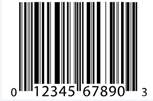
1D barcode
image source: https://www.bradyid.com/applications/product-and-barcode-labeling/1d-vs-2d-barcodes#:~:text=Two%20types%20of%20barcodes%20are,holds%20up%20to%207%2C089%20characters.
Two-dimensional barcodes, on the other hand, can store much larger amounts of information within a compact space. They use patterns such as squares or grids and can be scanned from multiple angles. QR codes are among the most popular 2D barcodes, commonly used to connect users to websites, payment portals, or digital content through smartphones. Data Matrix codes are widely used in healthcare and manufacturing for marking small items, while PDF417 barcodes are often found on ID cards and shipping documents.
Choosing between 1D and 2D barcodes depends on how much information needs to be stored and how the barcode will be used. While 1D barcodes are ideal for basic product identification, 2D barcodes support richer data and interactive digital experiences.

2D barcode
image source: https://www.bradyid.com/applications/product-and-barcode-labeling/1d-vs-2d-barcodes#:~:text=Two%20types%20of%20barcodes%20are,holds%20up%20to%207%2C089%20characters.
📞Contact our barcode experts at +91 729705118 and +91 8949793519.
How Barcodes Work
Barcodes function through a combination of printed patterns and scanning technology. When a barcode scanner passes over a code, it emits a beam of light. The dark areas of the barcode absorb the light, while the lighter spaces reflect it back. The scanner detects this contrast and converts it into an electrical signal, which is then translated into digital data.
The sequence and width of the bars and spaces represent specific values that the system recognizes. Once decoded, the barcode number is matched with information stored in a connected database, such as product name, price, or stock status.
The Lifespan of a Barcode
A barcode itself does not store detailed information; instead, it acts as a key that unlocks data stored elsewhere. Each time a barcode is scanned, it retrieves or updates records in real time. This continuous interaction helps businesses maintain accurate inventory levels, track movement, and streamline daily operations.
Benefits of Using Barcodes in Business
Barcodes have transformed how businesses operate by improving speed, accuracy, and control. One of the biggest advantages is efficiency, as scanning takes only seconds compared to manual data entry. Accuracy is another major benefit, since automated scanning significantly reduces human errors, which is especially critical in industries like healthcare and pharmaceuticals. Barcodes also contribute to cost savings by minimizing waste, preventing stock discrepancies, and reducing returns caused by incorrect data. They enhance inventory control by allowing businesses to monitor stock levels in real time and respond quickly to demand changes. In addition, barcodes help streamline operations across sales, warehousing, and logistics, ensuring smoother workflows and better customer satisfaction. The data collected through barcode systems also supports analysis and strategic planning, enabling smarter business decisions.
📞Contact our barcode experts at +91 729705118 and +91 8949793519.
Industries That Rely on Barcodes
Barcodes are used across a wide range of industries. In manufacturing, they track materials and finished goods throughout production. Retailers depend on barcodes for pricing, checkout, stock management, and returns. In healthcare, barcodes improve patient safety by ensuring correct identification and medication administration. Logistics companies use them to monitor shipments and provide real-time tracking updates. In the food and beverage sector, barcodes help manage traceability, expiration dates, and recalls. Government agencies also use barcodes for asset tracking, document control, and compliance management.
To know more about this, please check the below link.
📞Contact our barcode experts at +91 729705118 and +91 8949793519.
Implementing a Barcoding System
To successfully implement a barcoding system, businesses need a few essential components. Barcode printers are required to create labels, while scanners capture the encoded data. Inventory or asset management software links scanned data to digital records, making it useful and actionable. High-quality barcode labels and correct placement ensure reliable scanning, and proper staff training helps teams use the system efficiently and confidently.
Contact our barcode experts at +91 729705118 and +91 8949793519.
The Future of Barcodes
As businesses continue to embrace digital transformation, barcode technology is evolving as well. Mobile-friendly and digital barcodes are becoming more common, allowing customers and employees to scan codes using smartphones. Integration with IoT systems and advanced analytics is also expanding the role of barcodes, turning simple scans into powerful sources of insight that drive automation and smarter decision-making.
Conclusion
Barcodes may appear simple, but their impact on modern business is profound. They form the foundation of efficient inventory management, accurate data capture, and streamlined operations across industries. By understanding how barcodes work and how they add value, businesses can unlock greater efficiency and reliability in their processes. As technology advances, barcodes will continue to adapt and remain an essential tool in the fast-moving digital world. For organizations aiming to improve accuracy, control costs, and enhance customer experiences, investing in a robust barcoding system is a smart and future-ready choice.
📞Contact our barcode experts at +91 729705118 and +91 8949793519.