Bhavpreet Singh Soni

Corporate Lawyer and Partner Sonisvision | IIM | LLM | Intellectual Property and Franchisee Model Consultant | Building Brands | Ex- VP- BNI | Ex -Educator Bada Business, lawSikho | Angel and Seed Investor

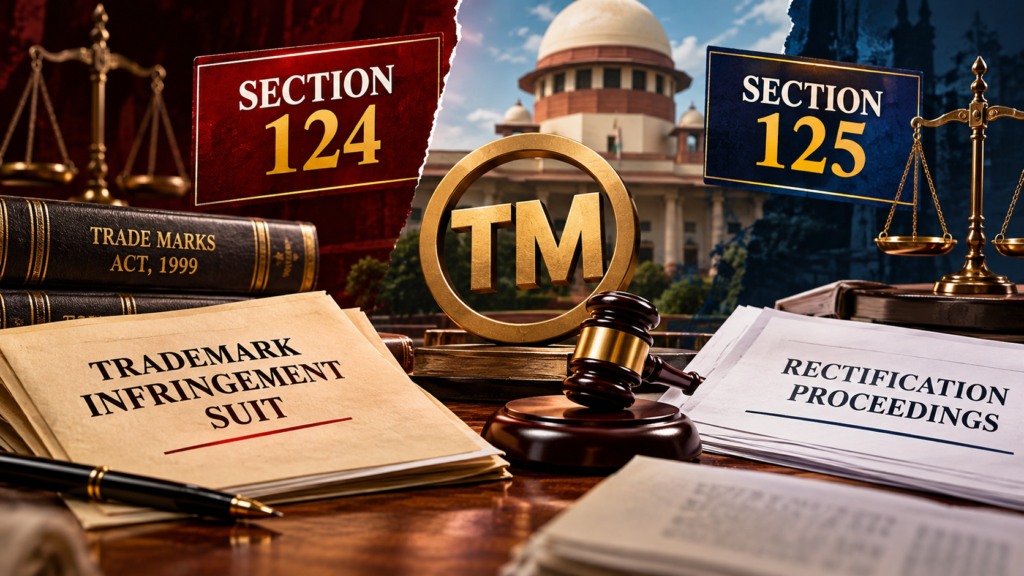
Trademark Rectification and Infringement Suits: Sections 124 and 125

Introduction The Trade Marks Act, 1999, provides a legal framework for resolving disputes involving trademark infringement and the validity of registered trademarks. Sections 124 and 125 govern how validity challenges are addressed when infringement proceedings are pending. Section 124: Stay of Infringement Proceedings Section 124 deals with situations where the validity of a trademark registration

Trademark Rectification and Infringement Suits: Sections 124 and 125 Read More »
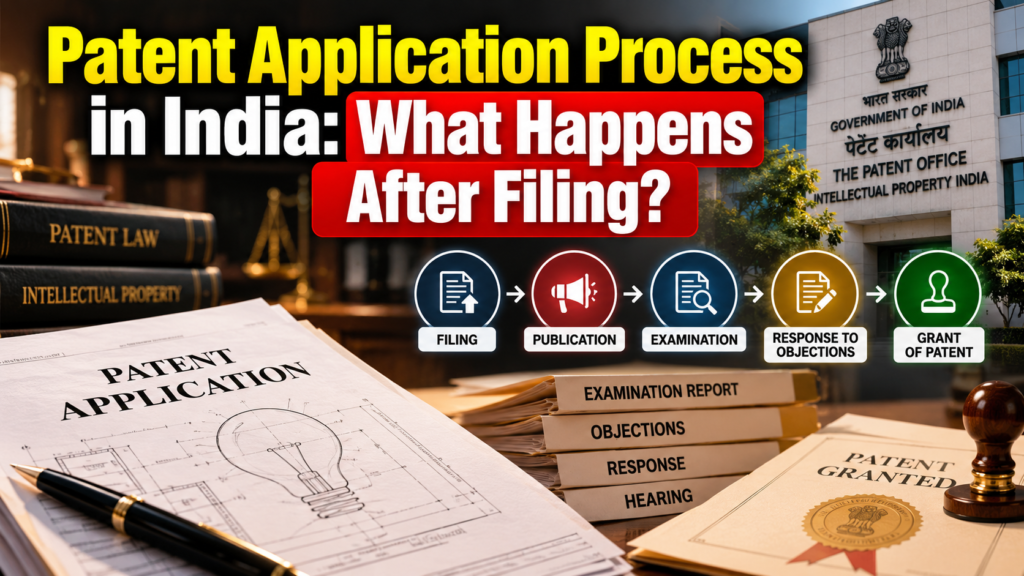
Patent Application Process in India: What Happens After Filing?

Filing a patent application in India is only the first step in obtaining patent protection. After the application is filed with the Indian Patent Office, it goes through several stages, including publication, examination, response to objections, and potentially a hearing, before a patent can be granted. Understanding what happens after patent filing can help applicants,

Patent Application Process in India: What Happens After Filing? Read More »

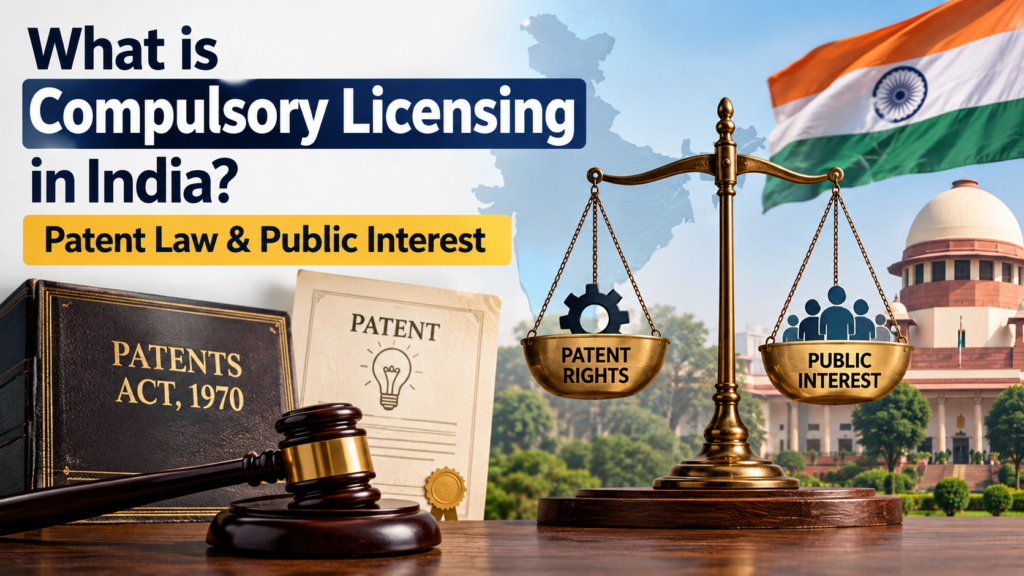
What is Compulsory Licensing in India? | Patent Law & Public Interest

Compulsory Licensing in India is an important mechanism under Indian patent law that allows a third party to use a patented invention without the consent of the patent owner, subject to statutory conditions. It represents a balance between patent protection, innovation, public interest, affordability, and access to essential inventions. Under the Patents Act, 1970, compulsory

What is Compulsory Licensing in India? | Patent Law & Public Interest Read More »

Copyright Protection for Software in India | Source Code, Open-Source & Licensing Explained

Software Copyright in India | Source Code, Open-Source Licences, Software Ownership & Copyright Protection Software has become an essential part of modern businesses, startups and digital products. From mobile applications and websites to SaaS platforms and enterprise software, technology products are often created through a combination of source code, object code, documentation, graphics, user interfaces,

Copyright Protection for Software in India | Source Code, Open-Source & Licensing Explained Read More »

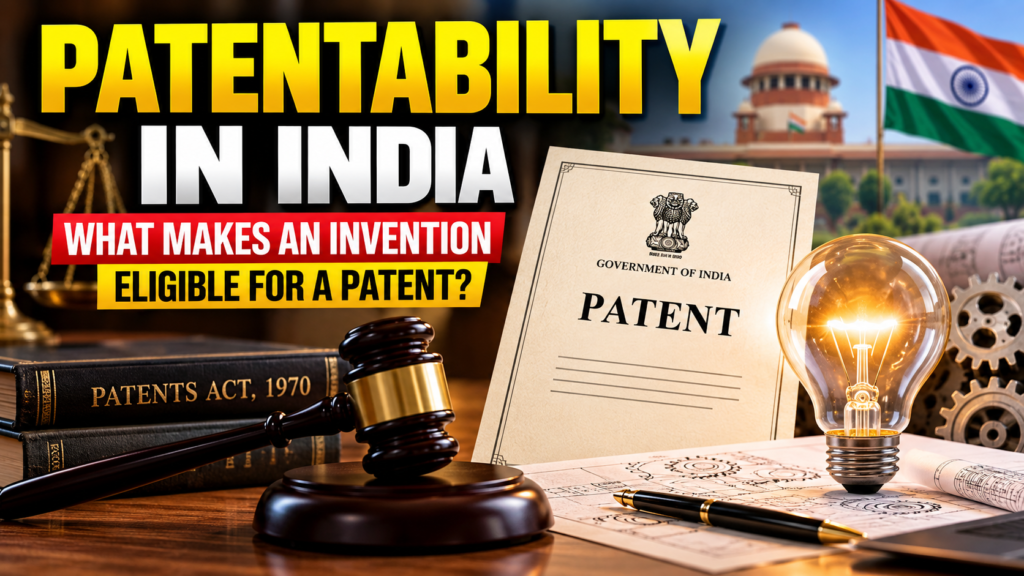
Patentability in India: What Makes an Invention Eligible for a Patent?

Patentability in India: What Makes an Invention Eligible for a Patent? Patentability in India depends on more than simply creating something new. Under the Patents Act, 1970, an invention must satisfy specific legal and technical requirements before it can receive patent protection. For startups, inventors, researchers and businesses, understanding patentability requirements in India is essential

Patentability in India: What Makes an Invention Eligible for a Patent? Read More »

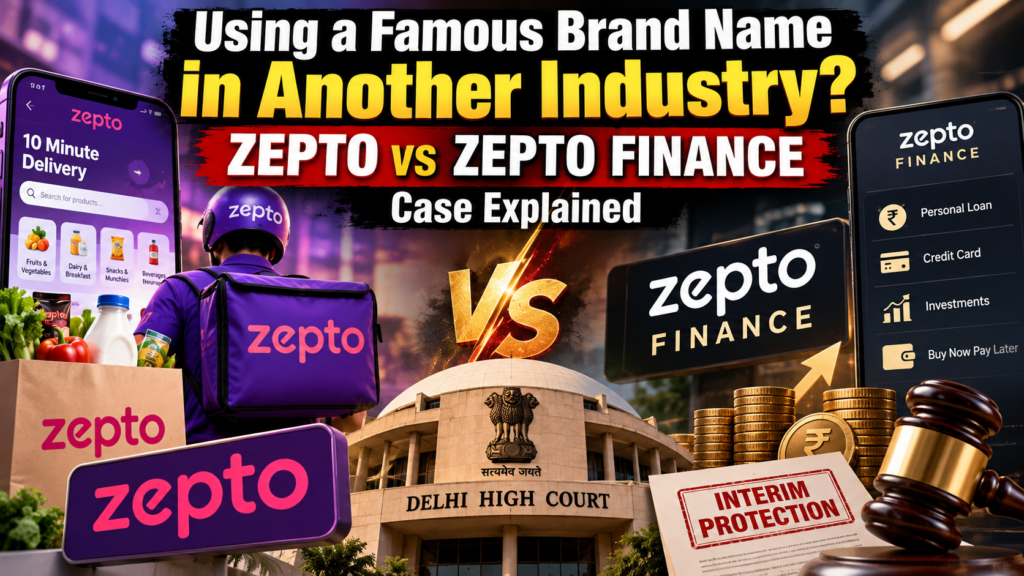
Using a Famous Brand Name in Another Industry? ZEPTO vs ZEPTO FINANCE Case Explained

Introduction In today’s digital economy, a brand can acquire substantial recognition far beyond the physical products or services with which it initially became associated. As businesses expand across digital platforms and new commercial sectors, the risk of third parties adopting similar names can also increase. The ZEPTO v. ZEPTO FINANCE dispute before the Delhi High

Using a Famous Brand Name in Another Industry? ZEPTO vs ZEPTO FINANCE Case Explained Read More »

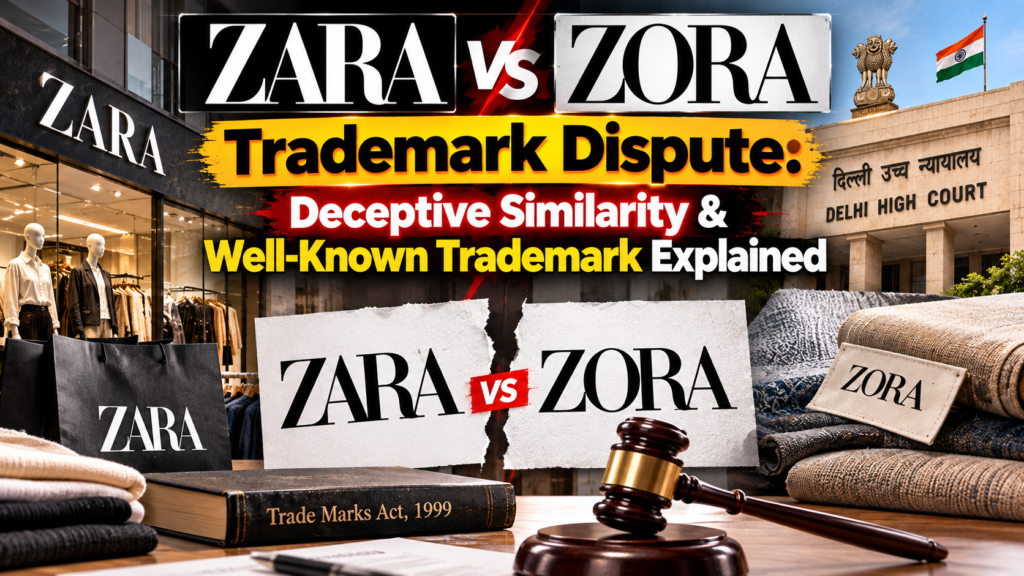
ZARA vs ZORA Trademark Dispute: Deceptive Similarity & Well-Known Trademark Explained

ZARA vs ZORA Trademark Dispute | Deceptive Similarity | Well-Known Trademark | Section 11(2) Trade Marks Act | Anti-Dissection Principle The Delhi High Court has delivered an important judgment in the ZARA vs ZORA trademark dispute, examining the protection available to well-known trademarks, deceptive similarity and the scope of Section 11(2) of the Trade Marks

ZARA vs ZORA Trademark Dispute: Deceptive Similarity & Well-Known Trademark Explained Read More »

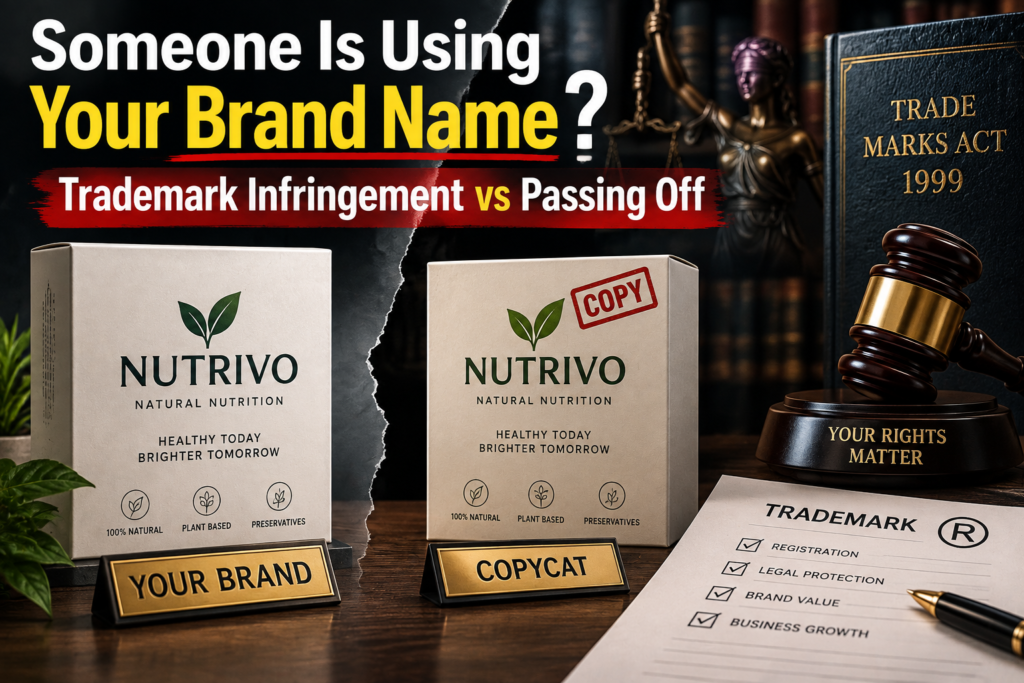
Someone Is Using Your Brand Name? Trademark Infringement vs Passing Off

Trademark infringement and passing off are two of the most important legal remedies available to protect brands, business names, logos, products, and commercial goodwill in India. Although both actions are designed to prevent consumer confusion and protect business interests, trademark infringement and passing off are legally different causes of action. The simplest distinction is: Trademark

Someone Is Using Your Brand Name? Trademark Infringement vs Passing Off Read More »

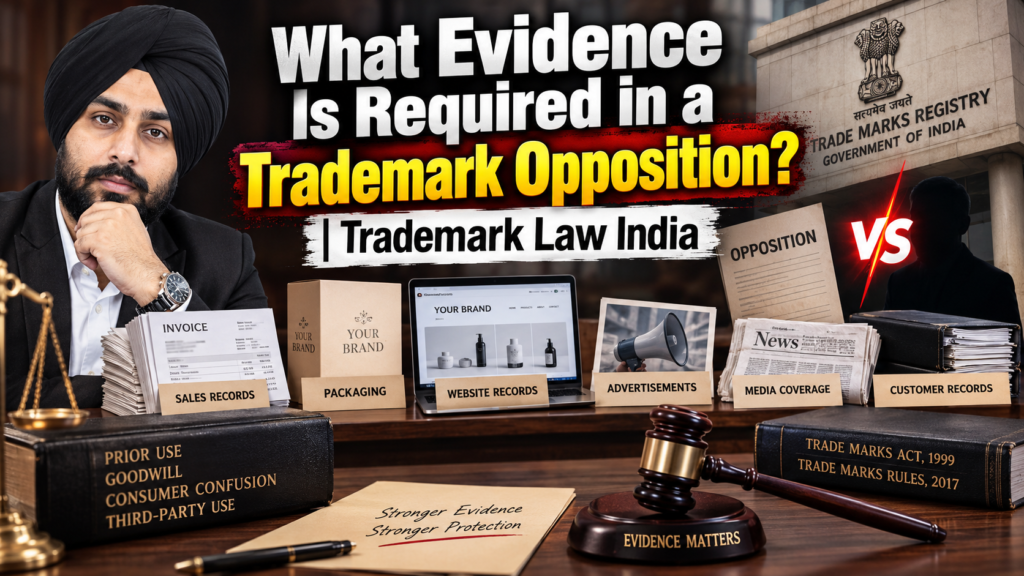
What Evidence Is Required in a Trademark Opposition? | Trademark Law India

What Evidence Wins a Trademark Opposition in India? A trademark opposition in India is not decided merely on the basis of which party presents a stronger argument. Once the pleadings are complete, documentary and affidavit evidence can become extremely important in establishing the facts relied upon by either party. An opponent may claim that it

What Evidence Is Required in a Trademark Opposition? | Trademark Law India Read More »