
Introduction
In today’s technology-driven world, innovation does not end at product creation—it extends to protecting the systems and technologies that support product performance and user experience.
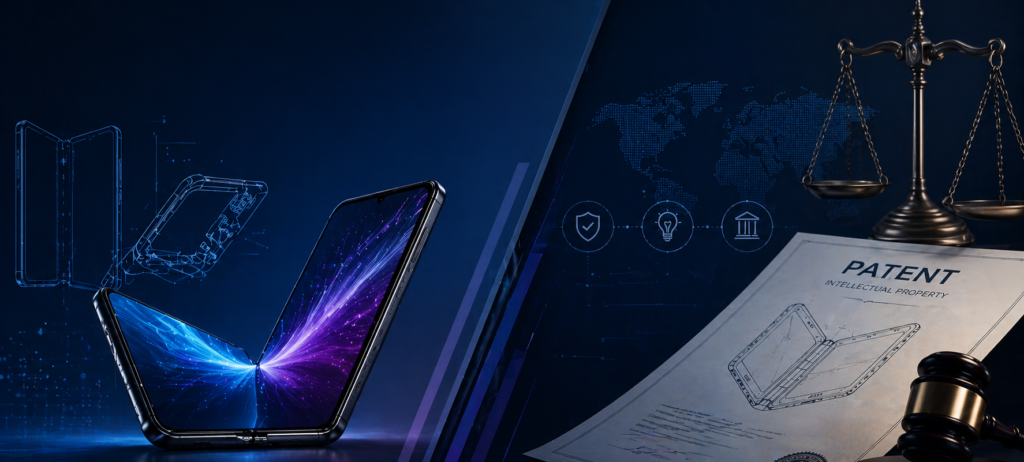
The ongoing dispute between Lepton Computing LLC and Samsung highlights how advanced technologies—such as foldable smartphones—rely on strong intellectual property protection. For industries that depend on product identification, traceability, and technology integration, this case offers valuable lessons about protecting innovation at every stage.
A Technology Dispute with Market Implications
In April 2026, Lepton Computing LLC filed a patent infringement lawsuit against Samsung Electronics, targeting its foldable smartphone lineup, including devices in the Galaxy Z series.
The dispute focuses on technologies that are essential to modern smart devices, including structural mechanisms, display protection systems, and multi-screen functionality. These types of technologies are not just relevant to smartphones—they reflect broader trends in smart product design, automation, and device integration, areas closely linked with barcode and identification technologies.
If successful, the claims could influence how companies protect their technology investments and manage innovation risks across global markets.
Why Technology Protection Matters for Product-Based Businesses
Modern products rely on a combination of hardware design, digital systems, and integrated technologies. Whether in smartphones or supply-chain-enabled products, protecting technical innovation ensures:
- Product reliability and long-term scalability
- Secure integration of multiple system components
- Consistent user experience across platforms
- Competitive advantage in fast-moving markets
Businesses that rely on barcode systems, digital tracking, and automated product management understand the importance of safeguarding innovation to maintain operational efficiency.
Technologies at the Core of the Dispute
The case involves several advanced technologies commonly found in modern smart devices, including:
- Flexible display and structural systems
- Mechanical hinge mechanisms
- Internal hardware integration
- Multi-screen continuity features
- Sensor placement optimization
- System architecture for compact devices
These innovations represent the type of precision engineering and structured design thinking that also supports barcode-based tracking systems, automated workflows, and digital product ecosystems.
The Broader Lesson for Technology-Driven Businesses
This dispute highlights a critical message for organizations working with advanced technologies: innovation must be protected as carefully as it is developed.
Companies investing in smart devices, packaging technology, product identification systems, and supply-chain automation face similar challenges:
- Protecting proprietary technology
- Managing intellectual property risks
- Ensuring secure technology adoption
- Maintaining compliance across markets
In industries where barcode systems support logistics, inventory, and product authentication, protecting system-level innovation is just as important as protecting product identity.
To know more about this, click the link below –
Possible Industry Outcomes
Technology disputes of this scale typically lead to outcomes such as:
- Patent validation or rejection
- Technology licensing agreements
- Financial settlements
- Continued innovation with improved compliance structures
While product bans are rare, these cases often reshape how companies approach research, development, and technology protection strategies.
The Bigger Picture: Innovation, Traceability, and Technology Ownership
As devices become smarter and more interconnected, technology ownership becomes a strategic asset.
For businesses using barcode systems, serialization technologies, and digital product tracking, the key takeaway is clear:
Innovation protection supports long-term scalability, product reliability, and customer trust.
The technologies behind foldable smartphones may differ from barcode systems, but the principle remains the same—secure your innovation before bringing it to market.
Conclusion
The Lepton vs. Samsung dispute demonstrates how technology innovation and intellectual property protection are closely linked in modern industries.
For barcode-driven businesses and technology-focused organizations, the case serves as a reminder that strong innovation management and intellectual property awareness are essential to sustaining growth in competitive markets.
As industries continue to evolve toward smarter products and integrated systems, protecting innovation will remain a key driver of long-term business success.